Plastic Injection Mold Tooling at Production Scale
Tooling is the foundation every molded part stands on. For engineering and sourcing teams, the real question is not who can cut steel, but who can design a mold that holds tolerance for a million shots and is serviceable when it wears. A mold built without that discipline becomes a recurring cost and a source of variation for the life of the program.
A disciplined tooling program is a closed loop of design, steel selection, machining, validation, and maintenance. When those elements are managed together, the tool produces conforming parts from first article to end of life. When design and molding are separated, the tool is blamed for problems the process introduced.
What the Capability Numbers Mean for Your Program
Specifications define the envelope in which tooling is predictable. Mold sizes up to 1200 by 800 mm and cavity counts up to 64 cover prototype through high-volume production without splitting the program across shops. Mold tolerances of ±0.005 mm describe the precision of the cavity itself, not just the part.
Mold life rated at 300,000 to 1,000,000 shots is a maintenance plan, not a sales figure. Tools are serviced by shot count so wear is scheduled and never surprises a shipment. Tooling lead time of 15 to 35 days reflects how quickly steel can be cut and validated when design and molding share a building, and a capacity above 200 molds per year signals a floor built for sustained programs.
How a Tooling Program Runs
Every tooling program at the Dongguan facility follows a disciplined path, and each step has an owner and a record:
- Design and mold flow analysis. Fill, pack, and warp are simulated before steel is cut so gates, cooling, and ejection are right the first time.
- Steel selection. The steel grade is matched to volume, resin, and surface requirement — P20 or 718H for general use, H13 for high volume, S136 or NAK80 for corrosion resistance and polish.
- CNC and EDM machining. The cavity, core, and features are milled and sunk with tight tolerances and verified.
- Assembly and hot-runner integration. The mold is fitted, balanced, and tested, with hot-runner systems integrated where specified.
- Tryout and validation. The mold is run on a tryout press; first-article dimensions are measured and the tool is corrected before release.
- Maintenance planning. Shot-count servicing is planned so wear is scheduled, not discovered.
The point of this structure is tool longevity. It is what lets your program run a million parts without a tool crisis.
Choosing the Right Mold Steel
Steel choice drives mold life, surface, and cost more than any other tooling decision. The table below maps common steels to their use.
| Steel | Key properties | Typical use |
|---|---|---|
| P20 | General purpose, pre-hardened | Prototype, low volume |
| 718H | Better polish and stability | Production |
| H13 | Heat and wear resistance | High-volume, hot runner |
| S136 | Stainless, corrosion resistant | Medical, optical |
| NAK80 | Mirror polish, stable | High-cosmetic, optical |
| Hardened H13 | Maximum life | Million-shot programs |
Selection is matched to volume, resin, and surface requirement. The grade is documented so maintenance and re-work are predictable across the tool’s life.
Equipment and Plant Capacity
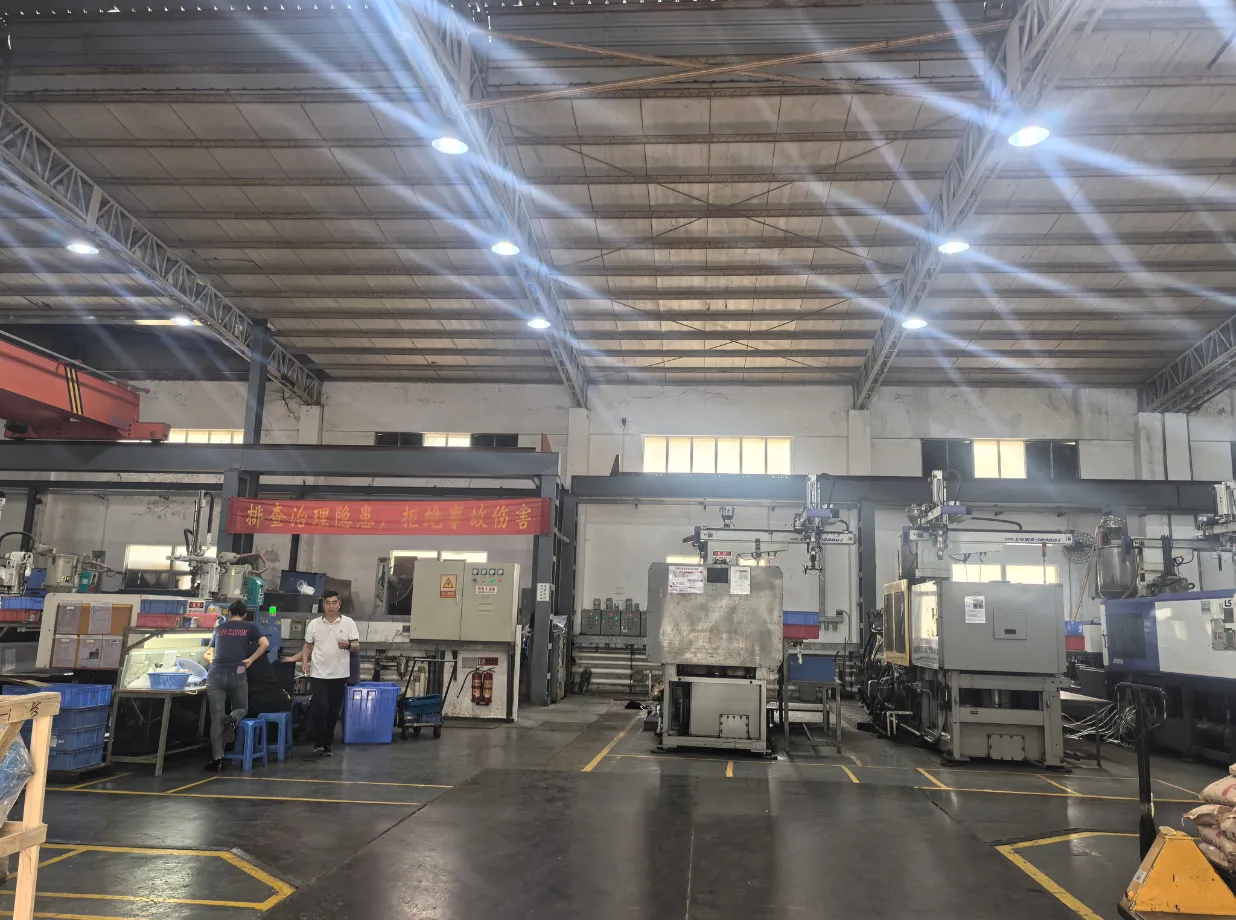
The Dongguan tooling floor runs CNC and EDM with mold flow analysis and in-house tryout.
The plant runs CNC machining centers and EDM with controlled thermal conditions for stable cavity work. Hot-runner integration, polishing, and texturing are performed in-house, and every mold is tryout-tested on a press in the same building so design and molding stay connected.
Applications and Where They Fail
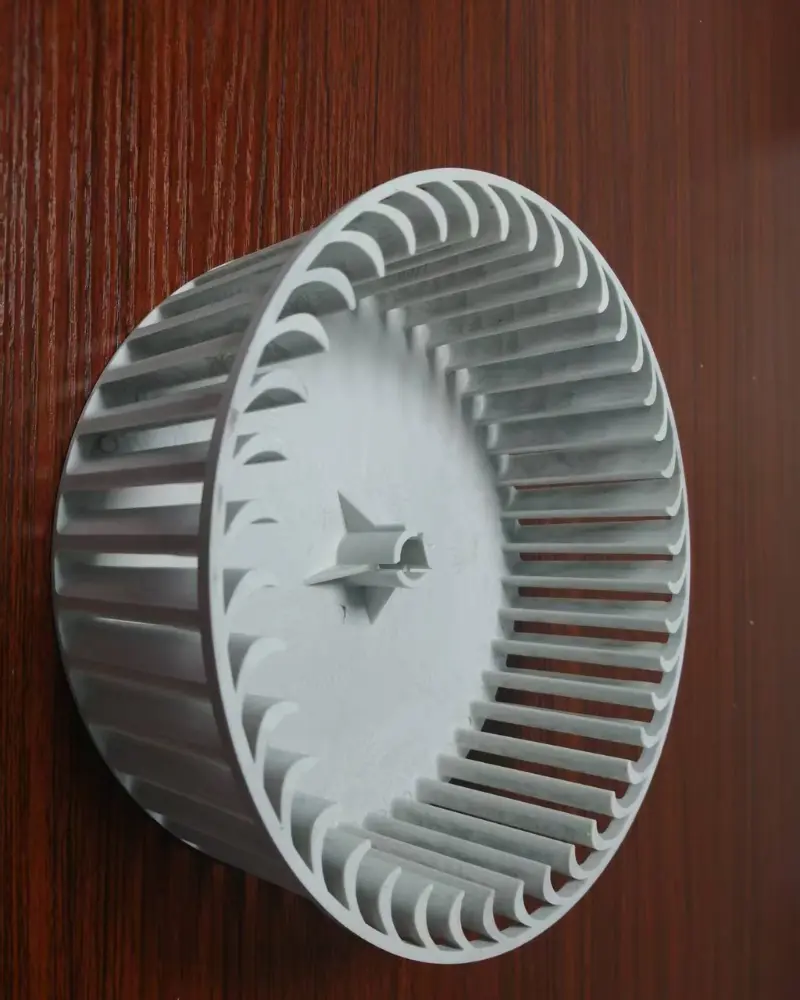
Injection molds where cavity precision and balance determine part quality.
Tooling appears wherever a part must be produced repeatedly and consistently. Each application carries its own failure mode, and tooling choices are tuned to the requirement rather than applied generically:
- Prototype and bridge tools — speed and cost dominate over longevity.
- Multi-cavity production molds — balance and cooling drive cycle time and consistency.
- Hot-runner molds — gate quality and temperature control prevent defects.
- Insert and two-shot molds — locating and transfer precision drive yield.
- High-polish optical molds — surface finish determines part performance.
For automotive and medical programs, molds are built and maintained under controlled discipline, where a single unbalanced cavity can erode an entire program’s yield.
Quality and Compliance Expectations
Quality is engineered, not inspected in at the end. The facility operates under an ISO 9001 quality management system with documented controls at every step: design review, first-article measurement, tryout validation, and maintenance records. Critical cavity dimensions are verified with CMM, and customer-specific protocols are supported where required.
Cost and Lead-Time Drivers
Buyers often fixate on tool price, but the total cost of a tooling program is set by its life and yield:
- Steel grade and cavitation — better steel and more cavities raise tool cost but lower piece price and extend life.
- Surface and polish — mirror and textured finishes add machining cost.
- Hot runner vs cold — hot runners cost more up front but save resin and cycle time.
- Tolerance and complexity — tighter mold tolerance adds machining and validation cost.
- Volume and cadence — steady programs justify higher-cavity tools.
Lead time is dominated by design and machining, not molding. In-house design and a tool shop in the same building compress the critical path from release to first article.
Common Defects and How They Are Prevented
Flash, short shots, sink, and uneven cavities are symptoms of poor tool design or weak maintenance, not bad luck. They are prevented by mold flow analysis before steel, balanced cooling and gating, and servicing tools by shot count rather than by failure. Tryout validation confirms the tool runs correctly before a production commit.
Related Capabilities
Tooling supports every molded part. Pair it with Plastic Injection Molding for production, Prototype Injection Molding for bridge tools, or Precision Injection Molding for tight-tolerance cavities, and Plastic Injection Molding Services for production programs. See the homepage for the full capability overview.