Enclosures & Housings Molding
Molding of plastic enclosures and housings in ABS, PC, and PP with cosmetic surfaces, thin walls, and tight fit on 50T-800T presses.
Learn moreFrom precision connectors to battery modules — application-specific molding with the controls each part demands.
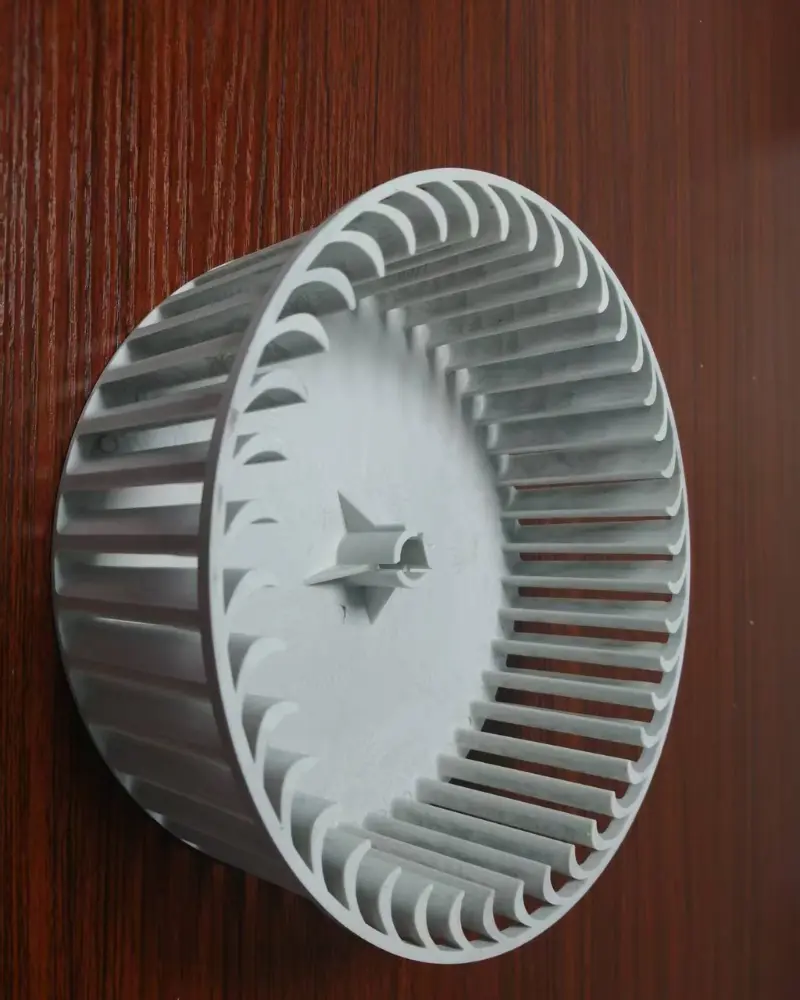
A plastic part is never molded in isolation — it is molded for a job. An enclosure must look right and seal; a connector must hold tolerance and insulate; a battery component must not fail under thermal load. The application decides which resin, which press tonnage, and which inspection regime actually matter.
That is why our application pages describe failure modes, not just features. Understanding where a part fails is what lets process controls prevent it.
Each application is scoped from the same disciplined path: design for manufacturability, tool validation, resin qualification, controlled molding, and verified shipment. For regulated fields, the records your audit team needs are generated as the parts are made, not reconstructed afterward.
Review our manufacturing capabilities or request a quote for your specific application.
Every application carries its own failure mode. Process controls are tuned to the requirement rather than applied generically.
Molding of plastic enclosures and housings in ABS, PC, and PP with cosmetic surfaces, thin walls, and tight fit on 50T-800T presses.
Learn moreMolding of EV and battery plastic components including connectors, housings, and busbar holders with flame-retardant, heat-stable resins.
Learn moreMolding of medical device components under ISO 13485-controlled, cleanroom-compatible processes with full material traceability and validation.
Learn morePrecision molding of plastic connectors and terminals for electronics, automotive, and EV systems with tight tolerances and stable resin grades.
Learn moreMolding of plastic gears and bushings in POM, PA, and PEEK with tight tooth geometry and low-wear performance for motion systems.
Learn moreWe mold enclosures and housings, EV and battery plastic components, medical device components, connectors and terminals, and precision gears and bushings. Each program is set up with the inspection and documentation level the application requires.
For EV and battery parts we use flame-retardant, thermally stable resins under controlled process discipline with lot-level traceability. For medical components we run under ISO 13485-controlled, cleanroom-compatible processes with full material traceability and validation.
Yes. The same facility supports prototype tooling, bridge production, and multi-cavity high-volume runs, so the part you validate transitions into production without re-qualifying a new vendor.
Share the application, environment, and tolerances. We will recommend a resin and process path and return a quote within 24 hours.